What the fair is
Techno-Classica is one of Europe's best-known classic car fairs, organised by S.I.H.A. It combines three worlds: manufacturer heritage departments presenting cars from their own collections, specialist dealers offering vehicles for sale, and owners' clubs showing members' cars. Around them sits a large market for parts, literature, models and automobilia.
Venue note: the 2026 European event calendar we worked from lists Techno-Classica under Dortmund. The fair has long been associated with Messe Essen, so confirm the venue and dates on the organiser's website before booking travel.
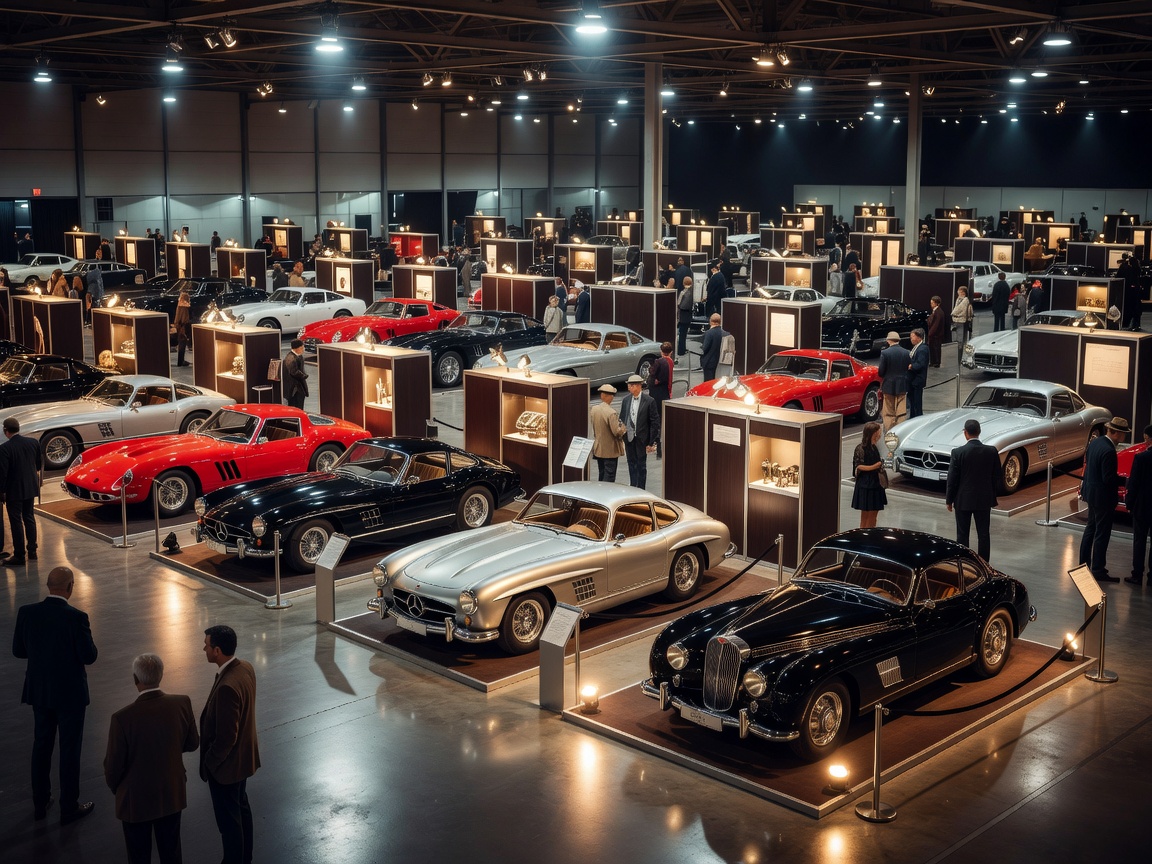
For Porsche, BMW and Mercedes-Benz fans, the heritage stands are a highlight. Manufacturers' classic divisions have historically used fairs like this to present themed displays and restored cars, which lets you see concours-standard examples up close.
How to plan the day
Large multi-hall fairs punish improvisation. Download the hall plan in advance and decide on a route. A sensible order is heritage stands first while you are fresh, then dealers in the marques you care about, then clubs, and finally the parts and literature market. If you are seriously shopping, consider two days: one to survey, one to revisit.
Suggested visiting order; actual hall layout varies by edition.
Buying a classic at a fair: five checkpoints
- Documents. Check that the vehicle identification number matches the registration documents (in Germany, the Zulassungsbescheinigung Teil II) and any import paperwork.
- History. Ask for service records, restoration invoices and photos. A thick, consistent file is worth more than shiny paint.
- Independent inspection. Arrange a pre-purchase inspection or valuation report (Wertgutachten) from an independent specialist, not one chosen by the seller.
- Originality. Matching numbers, correct colours and period components affect value and, in Germany, eligibility for an H-Kennzeichen.
- Logistics. Agree payment method, handover and transport in writing. Never pay large sums in cash on the spot.
Collector icons · factory figures
Well-known collector models from the three marques; availability at any given fair varies.
Bar scale: 0–520 PS
Dealer vs private sale
Dealers at a major fair typically offer presentation, some form of warranty or after-sales support, and help with paperwork, usually at a higher price. Club members occasionally sell privately, which can be cheaper and brings a known ownership history, but offers fewer protections. Whichever route you choose, the five checkpoints above apply.
Getting there and budgeting
North Rhine-Westphalia's dense rail network makes the Ruhr one of the easiest regions to reach without a car, and both Dortmund and Essen have major stations with long-distance connections. We do not publish prices; expect day tickets and sometimes multi-day options. Budget for local transport, food, and a hotel if you plan a two-day visit.
Pros
- Manufacturer heritage displays in one place
- Huge choice for buyers comparing cars
- Extensive parts, literature and model market
- Strong rail connections in the Ruhr
Cons
- Very large — tiring without a plan
- Busy aisles at weekends
- Dealer prices reflect presentation costs
- Venue details need checking each year
Practical tips
- Visit on a weekday if possible for quieter halls and more time with dealers.
- Carry a notebook or use your phone to log stand numbers and asking details.
- Wear comfortable shoes; distances between halls add up.