What the event is
The ADAC Nürburgring Classic is a historic motorsport weekend at the Nürburgring in the Eifel region of Rhineland-Palatinate. It runs under the banner of ADAC, Germany's largest motoring club, and brings together historic race grids, demonstration runs and large owners' club displays. The circuit opened in 1927, so the setting carries almost a century of racing history — which is exactly why so many Porsche, BMW and Mercedes-Benz owners treat the weekend as a pilgrimage rather than a casual day out.
For spectators, the appeal is the mix. You can watch period touring cars and sports cars racing in the afternoon, then walk through club car parks where owners have lined up road cars by marque and generation. Programmes change from year to year, so treat this guide as a planning framework and confirm the timetable, grids and ticket categories through the official Nürburgring and ADAC channels before you travel.
Two circuits, one venue
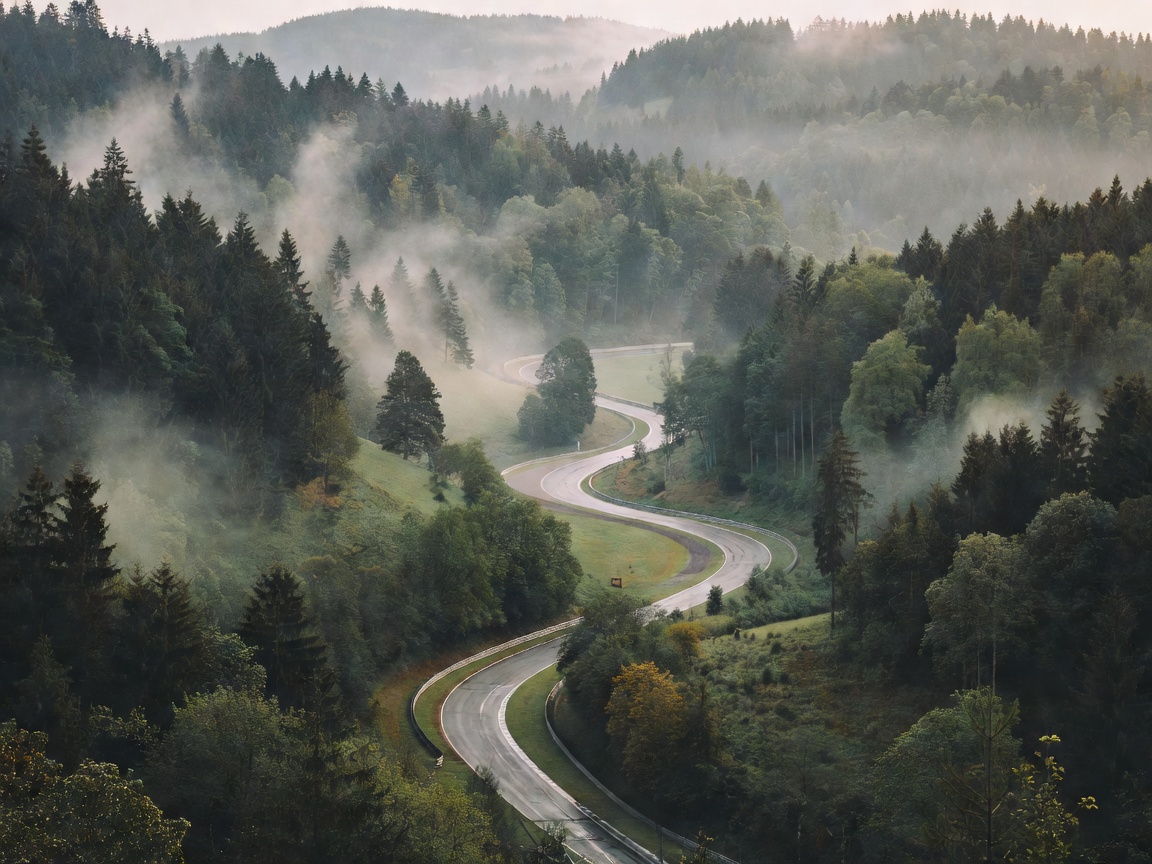
The Nürburgring is really two tracks. The Grand Prix circuit (GP-Strecke) measures 5.148 km: modern, grandstand-lined, with paved run-off and good sightlines from the main stands. The Nordschleife is the historic 20.832 km loop through forest and past villages, nicknamed "the Green Hell". Depending on the programme, historic sessions may use the GP circuit, the Nordschleife or a combined layout.
That matters for how you spend your day. The GP circuit is the easier spectator experience, with seating, catering, toilets and paddock access close together; the Mercedes Arena section near the start of the lap gives a good view of braking and overtaking. The Nordschleife is more atmospheric but spread out. Public areas such as Brünnchen, Pflanzgarten and the approach to the Karussell are famous, but reaching them means driving and parking on public roads around the loop.
What you are likely to see
Historic touring car grids are the natural home for BMW and Mercedes-Benz fans. The Group A era, when the BMW M3 (E30) and Mercedes-Benz 190 E 2.3-16 fought on German circuits, remains a crowd favourite wherever historic racing runs. Porsche content typically comes through GT and sports car classes, from early 911 variants to later air-cooled models. The club parking areas are where the road-going scene appears: rows of 911s by generation, BMW M cars from the E30 onward, and AMG-badged Mercedes.
Reference machinery · factory figures
Representative models of the era and scene; individual cars at events vary.
Bar scale: 0–520 PS
Getting there and staying over
Nürburg is a small village and the surrounding region is rural. A car is the most practical way to arrive; Cologne, Bonn and Koblenz are the nearest large cities, and many visitors base themselves in surrounding towns such as Adenau or Mayen. On major weekends, rooms near the circuit are booked well ahead and campsites fill quickly. If you are driving a classic, plan fuel stops in advance. Eifel roads are narrow, hilly and busy with enthusiasts, and local authorities do monitor speed and noise.
Tickets and budgeting
We do not publish prices because they change every season and vary by category. Expect a structure along these lines: day and weekend general admission, grandstand seating on the GP circuit, paddock access either as an upgrade or included in a higher tier, and separate camping or parking passes. Owners of relevant cars can sometimes join marque club display areas; if that appeals, contact your club early, because display allocations are limited.
Budget beyond the ticket: fuel for the Eifel roads, parking, circuit catering and accommodation, which is usually the biggest variable on a big weekend.
Pros
- Historic racing and marque club displays in one weekend
- Modern GP facilities alongside the legendary Nordschleife
- Strong Porsche, BMW and Mercedes-Benz representation
- Paddock culture that rewards patient, curious visitors
Cons
- Rural location — a car is close to essential
- Accommodation pressure on race weekends
- Changeable Eifel weather, even in summer
- Nordschleife spectating involves a lot of driving
Nürburgring Classic vs Hockenheim Historic
| Factor | Nürburgring Classic | Hockenheim Historic |
|---|---|---|
| Setting | Rural Eifel hills | Rhine plain near Mannheim |
| Circuit length | 5.148 km GP · 20.832 km Nordschleife | 4.574 km GP |
| Rail access | Limited; car recommended | Good via Hockenheim station |
| Spectator style | Grandstands plus roaming the loop | Compact, stadium-style Motodrom |
| Best for | Atmosphere and history | Convenience and sightlines |
Practical tips
- Pack for four seasons: Eifel weather can switch between sun, rain and fog within an hour.
- Bring ear protection, especially for children. Historic race cars are loud.
- Carry a card and some cash for smaller vendors and parking areas.
- Save the timetable and circuit map offline; mobile signal around the Nordschleife can be patchy.
- Follow paddock etiquette: ask before touching cars and give way to anything moving.